Introduction
Dysphagia, or difficulty swallowing, is an usual condition that affects people across numerous age groups, specifically the senior and those with neurological conditions. The ramifications of dysphagia can be serious, leading to poor nutrition, dehydration, and aspiration pneumonia, which significantly enhances morbidity and death prices. In care setups-- be it nursing homes, aided living centers, or home health care-- appropriate dysphagia administration is extremely important. This short article checks out the extensive impact of dysphagia training for carers, focusing on exactly how such training develops more secure atmospheres in care settings.
Understanding and carrying out reliable dysphagia treatment not only boosts person security yet additionally enhances general lifestyle for homeowners and clients. In this detailed guide, we will delve into the relevance of dysphagia training for care staff, the types of dysphagia training courses available, and the advantages they give to both caretakers and those they serve.
What is Dysphagia?
Dysphagia describes troubles in swallowing that can emerge from numerous causes-- consisting of neurological problems such as stroke or Parkinson's illness, muscular conditions, and structural problems. The medical symptoms can vary from moderate pain while consuming to severe choking episodes that position life-threatening risks.
Types of Dysphagia
- Oropharyngeal Dysphagia: This type occurs when there are concerns in the mouth or throat that prevent swallowing. Esophageal Dysphagia: This kind entails problems in the esophagus itself.
Understanding these distinctions is vital for caregivers as it educates their approach to dysphagia management.
Symptoms of Dysphagia
Common symptoms include:
- Difficulty starting a swallow Coughing or choking throughout meals Sensation of food getting stuck in the throat Frequent heartburn or regurgitation
Awareness of these symptoms empowers caretakers to act swiftly and effectively when they arise.
Why is Dysphagia Training Important for Treatment Staff?
The role of treatment staff is crucial in managing dysphagic individuals properly. Proper training outfits them with skills required to recognize signs early, apply secure feeding methods, and respond quickly during emergencies.

Enhancing Patient Safety
One significant advantage of dysphagia training for nurses and carers is the enhancement of patient safety and security. Furnished with knowledge concerning risk-free ingesting techniques and dietary modifications, employee can minimize the risk of goal-- which takes place when food or fluid goes into the respiratory tract-- and its connected complications.

Improving Top quality of Life
Training cultivates a far better understanding of private dietary demands amongst patients with dysphagia. When caregivers are knowledgeable regarding appropriate food textures and consistencies, they can give dishes that meet patients' dietary demands while being risk-free to consume.
dysphagia course
Legal Compliance
In lots of areas, care companies have to follow standards pertaining to dysphagia monitoring. Taking part in comprehensive dysphagia care training makes sure that facilities fulfill these legal obligations while safeguarding their reputation.
Components of Reliable Dysphagia Training Courses
An all-around dysphagia training course encompasses a number of key elements developed to furnish caregivers properly:
1. Understanding Anatomy and Physiology
A crucial part of any dysphagia course entails education and learning on human makeup related to ingesting. Knowledge regarding how various muscular tissues work together throughout ingesting enables personnel to understand what might go wrong when somebody has dysphagia.
2. Recognizing Signs and Symptoms
Training gives caretakers with detailed information on indicators indicative of dysphagic episodes. This skill enables them to find issues early before they intensify right into severe problems.
3. Safe Feeding Techniques
Courses ought to cover strategies such as positioning clients properly during dishes (e.g., resting upright) and making use of adaptive utensils if necessary.
4. Nutritional Modifications
Understanding exactly how to change food textures-- such as pureeing foods or enlarging liquids-- is vital expertise for carers who prepare meals for individuals with varying levels of ingesting difficulty.
Types of Dysphagia Training Available
There are numerous formats through which individuals can get dysphagia training:
Online Courses
With advancements in innovation, numerous organizations currently offer on-line training courses concentrating on numerous elements of dysphagia care. These training courses commonly feature interactive components that enable individuals to learn at their very own pace.
In-Person Workshops
Hands-on workshops enable individuals to exercise feeding strategies under guidance from certified teachers. Such experiential discovering opportunities improve retention rates contrasted to typical classroom settings alone.
Certification Programs
For those seeking formal acknowledgment in this area, certification programs are readily available that culminate in assessments verifying proficiency levels among trainees-- enhancing trustworthiness within professional networks.
Creating Safer Settings: The Effect of Dysphagia Learning Treatment Settings
Creating much safer environments requires a proactive technique towards guaranteeing all employee possess adequate knowledge pertaining to administration techniques connected with dysphagic problems.
By investing time into comprehensive dysphagia training courses tailored especially towards healthcare professionals' demands-- such as customized sessions focused on nurses-- the entire caregiving ecosystem benefits tremendously; not just do homeowners experience enhanced safety however also boosted emotional health and wellbeing originating from effective dish experiences lacking anxiety surrounding prospective choking incidents!
Benefits Past Security: Emotional Aspects
While physical safety stays a key emphasis within any conversation bordering efficient caregiver education and learning programs targeting individuals experiencing problems relevant particularly towards swallowing issues-- it's additionally essential not neglect mental influences stemming from these conditions too!
1) Lowering Anxiousness Levels
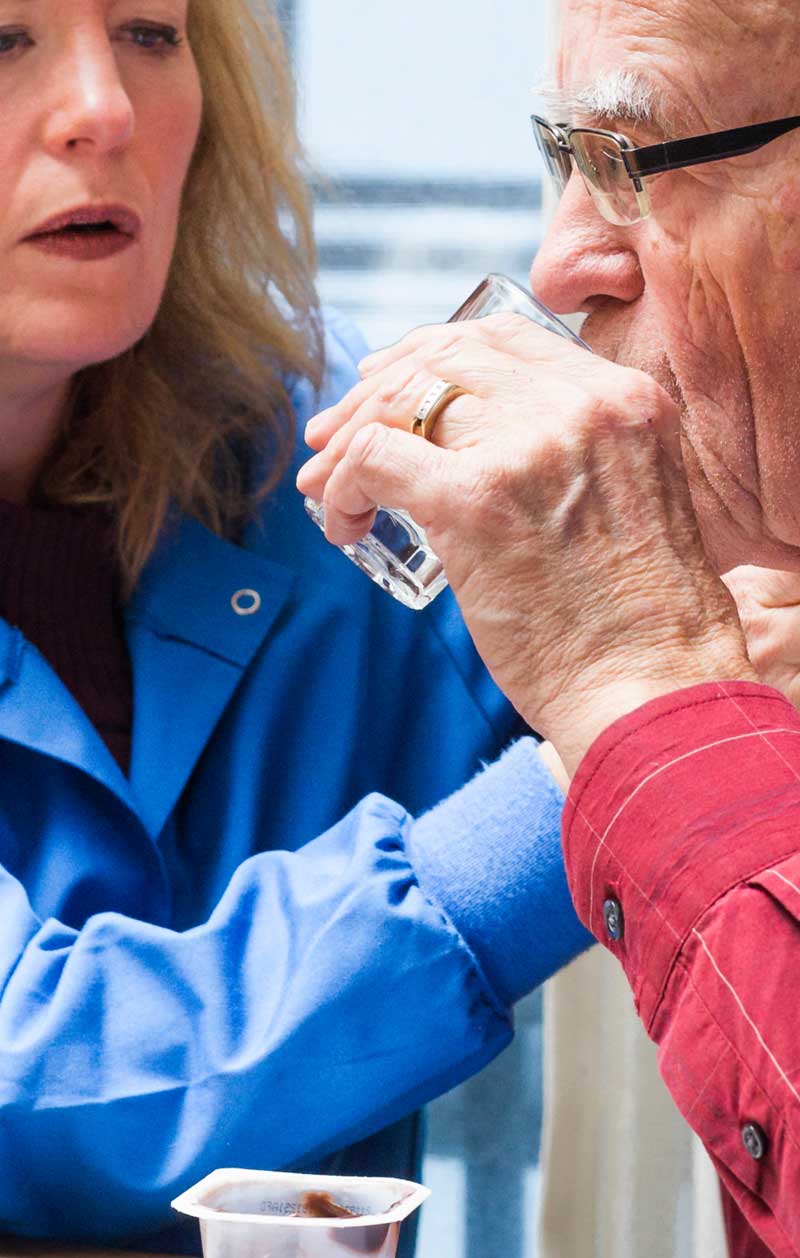
Families often worry about their liked ones dealing with ingesting problems; knowing skilled professionals handle such situations minimizes stress and anxiety degrees dramatically!
2) Enhancing Social Engagement
Sharing meals comes to be even more comfortable when caretakers with confidence manage possible issues connected with feeding processes! This enhanced self-confidence motivates social communications amongst citizens fostering community bonds over shared eating experiences!
FAQ Section
Q1: What is included in a normal dysphagia training course? A: A common program includes makeup education and learning, symptom recognition methods, safe feeding practices, dietary alterations support, together with hands-on practice chances through simulations or role-playing scenarios.
Q2: That ought to undergo dysphagia training? A: All workers associated with direct client treatment-- including nurses, nursing assistants, physical therapists-- need to undergo this specialized training due its vital relevance towards preserving resident wellbeing!
Q3: How commonly should staff restore their dysphagia training? A: It's advised organizations schedule refresher courses every year considering that standards concerning finest techniques develop consistently based upon continuous research study findings!
Q4: Can relative take advantage of comprehending dyspahgia management techniques? A: Definitely! Supplying family members educational sources empower them also play encouraging duties outside institutional setups boosting general quality-of-life experiences!
Q5: Is there a specific age group more impacted by dysplasia? A: While individuals across every age groups might experience some type(s) related especially in the direction of swallowing troubles-- the senior population often tends face heightened risks largely due underlying wellness issues affecting musculature involved therein!
Q6: Exactly how does one discover recognized dypshgia instructor programs? A: Research study respectable expert organizations specializing within allied wellness areas like speech-language pathology usually provide recommendations relating approved ongoing education opportunities!
Conclusion
In recap, developing more secure atmospheres through effective dysphgia training in treatment setups can not be overemphasized! By prioritizing education and learning tailored particularly toward resolving obstacles encountered by those experiencing difficulties while taking in food/drink-- we protect susceptible populaces versus avoidable problems emerging therein!
Ultimately investing resources into detailed dsyhpgia support campaigns not just improves patient safety however promotes holistic enhancements across every aspect associated caregiving duties hence improving lives all around!
This write-up envelops a considerable exploration into just how dysaphgia recognition amongst caretakers makes sure excellence within day-to-day operational structures eventually resulting positive end results throughout diverse health care landscapes!